
Via Metro STL accidents in St. Louis County happen when a Via-operated on-demand shuttle, van, or paratransit vehicle is involved in a collision that injures a rider, pedestrian, or another driver.
These crashes follow different legal rules than standard car accidents because a public transit operator is involved, which changes who you can sue, how much you can recover, and how long you have to act.
Injury claims against Via Transportation or Metro Transit are more complicated than most people expect. Multiple parties can share fault, strict notice deadlines apply, and Missouri’s sovereign immunity laws place special limits on claims against public agencies.
What Is Via Metro STL?
Via Metro STL is a partnership between Metro Transit and Via Transportation. It provides on-demand shared shuttle rides across parts of St. Louis County, connecting riders to MetroLink stations, MetroBus routes, and key destinations throughout the region.
Many different people rely on this service every single day:
- Commuters traveling to and from work
- Students getting to school or campus
- Elderly residents who need paratransit support
- Riders in North County and South County service zones
Because Via Metro STL operates as part of the regional public transit system, a crash involving one of its vehicles can implicate more than one party. Metro Transit, Via Transportation, the individual driver, or even a third party could all share responsibility.
What Causes Via Metro STL Accidents?
These crashes happen for many of the same reasons as standard car accidents. However, the unique demands of driving a shared shuttle add extra pressure that increases the risk.
Common causes include:
- Distracted driving: Drivers may look away from the road to manage the Via app, GPS, or dispatch communications.
- Driver fatigue: Long shifts behind the wheel of a shared shuttle can leave drivers dangerously tired.
- Speeding: Pressure to meet strict pickup windows pushes some drivers to go faster than conditions allow.
- Failure to yield: This is especially common at busy stops, intersections, and curbside pickups.
- Unsafe passenger loading or unloading: Sudden stops or doors closing on riders can cause serious harm.
- Negligent third-party drivers: Another motorist running a red light or texting while driving can strike the shuttle.
- Poor vehicle maintenance: Worn brakes, tire blowouts, or failing parts can make a van impossible to control safely.
The cause of your crash usually determines who is legally responsible for your medical bills and your recovery.
Who Is Liable After a Via Metro STL Crash?
Missouri uses an at-fault system for auto accidents. This means the person or company responsible for causing the crash must pay for the damages. In transit accidents, more than one party can share fault, which is why a thorough investigation matters so much.
Can the Via Driver or Via Transportation Be at Fault?
Via drivers may be direct employees or independent contractors. If a driver causes a crash, Via Transportation can be held responsible for negligent hiring, poor training, or inadequate supervision.
Driver conduct plays a central role in these claims. If your driver was distracted, speeding, or impaired, our St. Louis auto accident attorneys will build the evidence needed to hold them accountable.
Can Metro Transit Be Responsible for My Injuries?
Metro Transit, also known as the Bi-State Development Agency, may share responsibility because it operates the broader transit system that Via supports. Claims against a public entity like Metro Transit involve unique procedures and strict deadlines that do not apply to standard car accident claims.
What if Another Driver or a Dangerous Road Caused the Crash?
Sometimes the shuttle driver did nothing wrong. A third-party motorist who strikes the Via van can be held fully liable for your injuries. A government entity responsible for unsafe road conditions or broken traffic signals might also share the blame.
Fault is rarely one-sided in these cases. We look at every angle to make sure all responsible parties are identified.
What Should You Do Right After a Via Metro STL Accident?
The moments after a crash are chaotic and frightening. Taking the right steps immediately will protect both your health and your legal rights.
Seek Medical Care and Document Your Injuries
Get medical attention right away, even if your injuries feel minor at first. Many serious injuries, including concussions and soft tissue damage, do not show obvious symptoms immediately after a crash.
Follow through on every recommended treatment and appointment. Your medical records become the most important evidence linking the crash directly to your injuries.
Save Your Trip Details and Gather Evidence
Screenshot your Via app trip details immediately after the crash. You need to capture:
- The driver’s name and vehicle information
- Your pickup and drop-off times
- Your route
Photograph the scene, the vehicle damage, and any visible injuries. Collect contact information from witnesses before they leave. This digital evidence can disappear quickly once the trip is closed in the app.
Report the Incident and Get the Crash Report
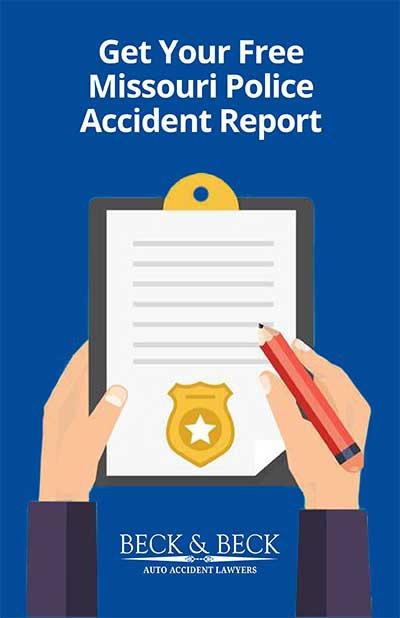
Report the crash to the police and to Via or Metro Transit right away. You should also request a Missouri crash report through the Missouri State Highway Patrol or the local responding agency. At Beck & Beck Missouri Car Accident Lawyers, we can obtain these reports and records on your behalf so you can focus entirely on your recovery.
Do Special Rules or Deadlines Apply to Metro Transit Claims?
Claims involving public transit agencies in Missouri follow completely different rules than standard car accident claims. Missing a critical deadline can permanently bar your right to compensation, even if someone else clearly caused the crash.
Here is what you need to know:
- Notice of claim: You may be required to file a formal written notice within 90 days of the crash against a public entity like Metro Transit.
- Statute of limitations: Missouri generally gives you five years to file a personal injury lawsuit, but the notice deadline is much shorter.
- Sovereign immunity: This legal rule protects government agencies from certain lawsuits, but Missouri has clear exceptions for motor vehicle accidents involving public employees.
These rules make it critical to contact an attorney as soon as possible after a Via Metro STL accident.
How Do Immunity and Damage Caps Affect Your Claim?
Sovereign immunity is a legal doctrine that limits when and how you can sue a government agency. Missouri law carves out an exception that allows injury claims when a public employee causes a crash while driving a government vehicle.
However, statutory damage caps place a ceiling on how much money you can recover against a public entity. An experienced attorney knows how to work within these limits to maximize what you receive.
Who Pays Your Medical Bills After a Transit Crash?
Several sources may cover your medical costs after a Via Metro STL accident:
- Via or Metro Transit’s commercial insurance policy
- Your own auto insurance MedPay coverage, which pays regardless of fault
- Your health insurance, which may step in while the claim is pending
- Uninsured or underinsured motorist coverage, if the at-fault party lacks adequate insurance
We coordinate all of these payment sources on your behalf. You should not have to navigate billing disputes while you are trying to heal.
What Compensation Can You Recover?
Missouri law allows you to pursue three main categories of damages after a transit accident.
| Damage Type | What It Covers |
| Economic | Medical bills, lost wages, future care costs, and property damage |
| Non-Economic | Pain and suffering, emotional distress, and loss of enjoyment of life |
| Punitive | Additional money awarded in cases of gross negligence or reckless conduct |
Your total compensation depends on the severity of your injuries, who was at fault, and the insurance coverage available. We fight to maximize every category for you.
How We Build a Via Metro STL Injury Case
We act fast to secure evidence before it disappears. This includes pulling your app trip data, Via and Metro internal records, the driver’s employment and training files, and vehicle maintenance logs.
We also demand video footage from the shuttle and nearby traffic cameras before it gets overwritten. Public transit cases require immediate legal action, and we know exactly what to look for.
We work with a trusted network of experts to strengthen your claim:
- Accident reconstructionists who can show exactly how the crash happened
- Medical experts who document the full extent of your injuries
- Vocational specialists who calculate lost earning capacity
- Transit industry professionals who understand how these operations are supposed to run
Our experience handling Missouri auto accident cases means we know how to present a compelling case to insurers and in court.
Injured on Via Metro STL in St. Louis County? Contact Our Law Firm Today
At Beck & Beck Missouri Car Accident Lawyers, we offer completely free consultations and work on a no-fee-unless-we-win basis. You pay nothing upfront, and you owe us nothing if we do not recover compensation for you.
We are the only law firm in Missouri that focuses exclusively on Missouri auto accident law. We treat every client like family, and we never pass your case off to someone else. Call us or contact us online today. We are available around the clock to answer your questions and start fighting for you.
Frequently Asked Questions
How Do I Request a Missouri Crash Report After a Via Metro STL Accident?
You can request a crash report through the Missouri State Highway Patrol’s online portal or directly from the local law enforcement agency that responded to the scene.
Can I File a Lawsuit Against Metro Transit or Via Transportation?
Yes, but claims against Metro Transit involve sovereign immunity rules and a notice deadline as short as 90 days, so contacting an attorney quickly is critical.
What if I Was Partially at Fault for the Via Metro STL Crash?
Missouri’s pure comparative fault rule allows you to recover compensation even if you share some blame, though your payout is reduced by your percentage of fault.
What if I Did Not Report the Via Metro STL Incident the Same Day?
You may still have a valid claim, but delays in reporting can weaken your evidence, so you should contact an attorney as soon as possible to protect your rights.
How Long Do I Have to File a Claim Against a Public Transit Agency in Missouri?
Missouri’s personal injury statute of limitations is generally five years, but a formal notice against a public entity like Metro Transit may be required within just 90 days of the crash.